Experimental Melanoma Vaccine Shows Encouraging Immune Responses
Researchers are reporting promising immune responses from personalized melanoma vaccines, highlighting a potential breakthrough in cancer immunotherapy.
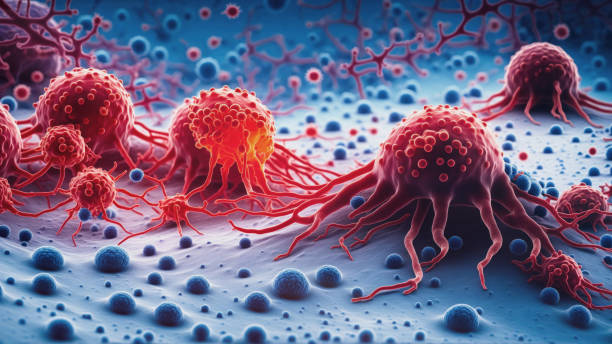
For decades, cancer researchers have pursued a simple but ambitious goal: train the body’s own immune system to recognize and destroy cancer cells. New data presented in recent melanoma vaccine studies suggest that this vision may be moving closer to reality. Researchers are reporting encouraging immune responses from experimental melanoma vaccines, particularly those using personalized mRNA technology.
Personalized cancer vaccines represent a rapidly growing field, and melanoma has become one of its most important targets. Because melanoma carries a high number of genetic mutations, it produces many abnormal proteins that the immune system can potentially learn to recognize—making it especially well suited to vaccine-based approaches.

A Personalized Approach to Cancer
Unlike traditional vaccines that prevent infectious diseases, cancer vaccines are designed to help the immune system recognize existing tumors. Many of the latest melanoma vaccines are personalized, meaning they are tailored to the unique genetic mutations found in an individual patient’s cancer.
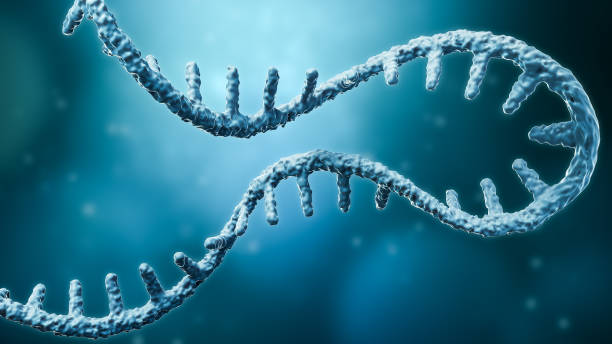
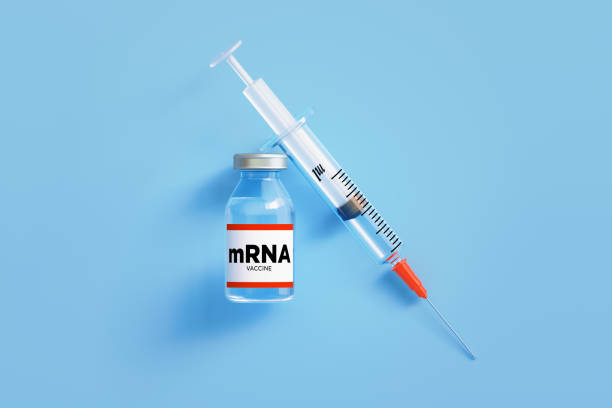
Researchers first sequence a patient’s tumor DNA, identify abnormal proteins known as neoantigens, and then create an mRNA vaccine that teaches the immune system to target those specific markers. The goal is to generate a powerful T-cell response capable of seeking out and eliminating cancer cells while sparing healthy tissue.
Promising Clinical Results
One of the most closely watched programs combines Moderna’s individualized mRNA vaccine, intismeran autogene (mRNA-4157/V940), with the immunotherapy drug Keytruda (pembrolizumab). Recent five-year follow-up data showed that patients receiving the combination experienced a 49% reduction in the risk of recurrence or death compared with Keytruda alone. Researchers also observed a 59% reduction in the risk of distant metastasis or death.
Perhaps most importantly, the vaccine generated durable immune responses, suggesting that patients’ immune systems retained the ability to recognize and attack melanoma cells years after treatment. Overall survival rates were also higher among patients receiving the combination therapy, although larger studies are still underway to confirm these findings.
Why Immune Responses Matter
Strong immune responses are a key indicator that a cancer vaccine is doing its job. Researchers have observed increased activity of tumor-targeting T cells, which play a crucial role in identifying and destroying cancer cells. In some experimental studies, vaccine-induced immune responses have persisted for years, potentially providing long-term protection against recurrence.
Recent preclinical research has also demonstrated that novel vaccine platforms can activate both T cells and natural killer (NK) cells, two important components of the body’s anti-cancer defenses. These findings suggest that future vaccines may be able to coordinate multiple arms of the immune system simultaneously.
Challenges Ahead
Despite the encouraging results, significant hurdles remain. Personalized vaccines require sophisticated genetic sequencing, rapid manufacturing, and careful patient-specific design. Scientists must also address challenges such as tumor evolution, immune suppression within the tumor microenvironment, and the high cost of individualized treatments.
Additionally, most melanoma vaccine candidates remain experimental. Larger Phase III clinical trials will be necessary before regulators can determine whether these therapies should become standard treatment options.

Looking Forward
The recent progress in melanoma vaccine development highlights the growing potential of personalized cancer immunotherapy. By leveraging advances in mRNA technology, genomic sequencing, and artificial intelligence-assisted antigen discovery, researchers are building treatments that are increasingly tailored to each patient’s disease.
While additional research is needed, the encouraging immune responses observed in current trials offer hope that cancer vaccines may eventually become an important component of melanoma treatment, helping patients achieve longer-lasting protection against one of the most aggressive forms of skin cancer.