Could Artificial Blood Vessels Replace Traditional Bypass Grafts?
Tissue engineering may soon offer lab-grown blood vessels that function like natural arteries—potentially transforming coronary bypass surgery and vascular medicine.
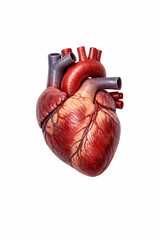
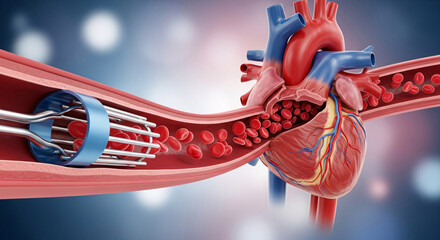
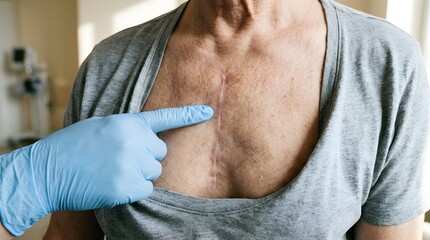
Every year, hundreds of thousands of patients undergo coronary artery bypass surgery to restore blood flow to the heart. During this procedure, surgeons typically remove a healthy blood vessel from another part of the patient’s body—often the leg or chest—and use it to bypass a blocked coronary artery. While this technique has saved countless lives, it is far from perfect. Some patients do not have suitable vessels available, and grafts can fail over time due to narrowing, clotting, or disease progression.
What if surgeons could simply implant a new blood vessel grown in a laboratory?
Recent advances in tissue engineering suggest that this possibility may be closer than many people realize. Researchers around the world are developing bioengineered blood vessels designed to function like natural arteries while overcoming many of the limitations associated with traditional grafts.
The Problem with Current Bypass Grafts
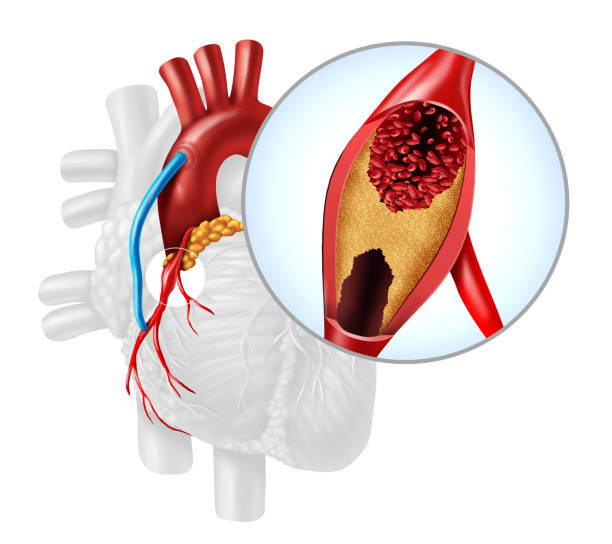
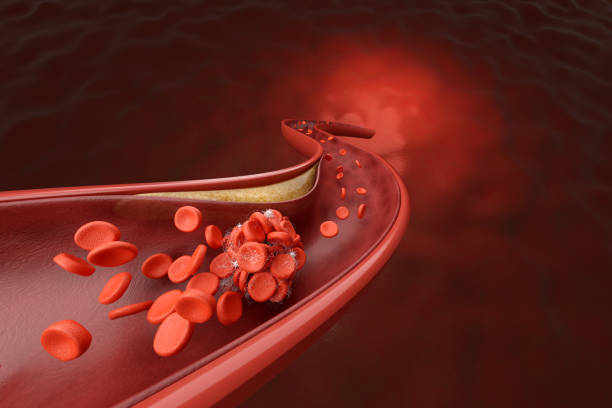
Coronary artery disease remains one of the leading causes of death worldwide. When plaque builds up inside coronary arteries, blood flow to the heart muscle becomes restricted. In severe cases, bypass surgery is often necessary.
The gold standard for bypass grafting involves using the patient’s own blood vessels. However, harvesting these vessels requires additional surgical procedures, which can increase recovery time and create complications at the donor site. Furthermore, not all patients possess healthy vessels suitable for transplantation.
Synthetic grafts made from materials such as expanded polytetrafluoroethylene (ePTFE) have been used in some situations, but they often perform poorly when implanted into smaller arteries. Their rigid structure can promote blood clot formation and may not integrate effectively with surrounding tissue.
Enter Tissue-Engineered Blood Vessels
To address these challenges, scientists have turned to tissue engineering. The goal is to create living blood vessels that closely resemble natural arteries in both structure and function.
Many experimental approaches begin with a biodegradable scaffold made from biocompatible materials. Human cells are seeded onto this scaffold and allowed to grow within specialized bioreactors that mimic conditions inside the body. Over time, the cells produce extracellular matrix proteins such as collagen, gradually transforming the scaffold into a functional vessel.
In some cases, researchers create vessels using donor cells that are later removed, leaving behind a biological framework. Once implanted, the patient’s own cells migrate into the structure, allowing it to become integrated with the body’s tissues.
Why These Blood Vessels Are Different
Unlike traditional synthetic grafts, tissue-engineered blood vessels are designed to behave like living tissue.
Researchers hope these vessels will be able to:
- Adapt to changes in blood pressure
- Repair minor damage through natural biological processes
- Integrate with surrounding tissue
- Reduce the risk of clot formation
- Remain functional for longer periods
Perhaps most exciting is the possibility that these grafts could remodel themselves after implantation. Just as natural blood vessels respond to changing physiological demands, engineered vessels may eventually be capable of growing stronger and healthier over time.
Potential Applications Beyond Heart Surgery
Although coronary bypass procedures receive much of the attention, bioengineered blood vessels could have applications throughout medicine.
Patients undergoing dialysis often require vascular access grafts that frequently fail over time. Tissue-engineered vessels may offer a more durable alternative. Researchers are also investigating their use in pediatric medicine, where living grafts could potentially grow alongside a child instead of requiring repeated surgeries as the patient matures.
In the future, these technologies could become foundational components of more complex bioengineered tissues and organs.
Challenges That Remain
Despite promising progress, several obstacles must still be overcome before tissue-engineered blood vessels become routine.
Manufacturing living tissues remains expensive and technically demanding. Researchers must ensure that engineered vessels possess sufficient strength to withstand years of continuous blood flow. Long-term clinical studies are also needed to determine whether these grafts consistently outperform traditional options.
Regulatory approval presents another challenge, as living medical products require extensive testing to demonstrate safety and effectiveness.
Looking Ahead
The concept of growing replacement blood vessels in a laboratory once belonged to the realm of science fiction. Today, it represents one of the most exciting intersections of cardiology, biomaterials science, and regenerative medicine.
If researchers can successfully bring these technologies from the laboratory to the operating room, future heart bypass patients may no longer need surgeons to harvest vessels from elsewhere in their bodies. Instead, they could receive engineered grafts specifically designed to function as living, adaptable replacements.
While traditional bypass grafts remain the standard of care today, advances in tissue engineering raise an intriguing possibility: the next generation of blood vessels may not come from the patient at all—they may come from a laboratory.